
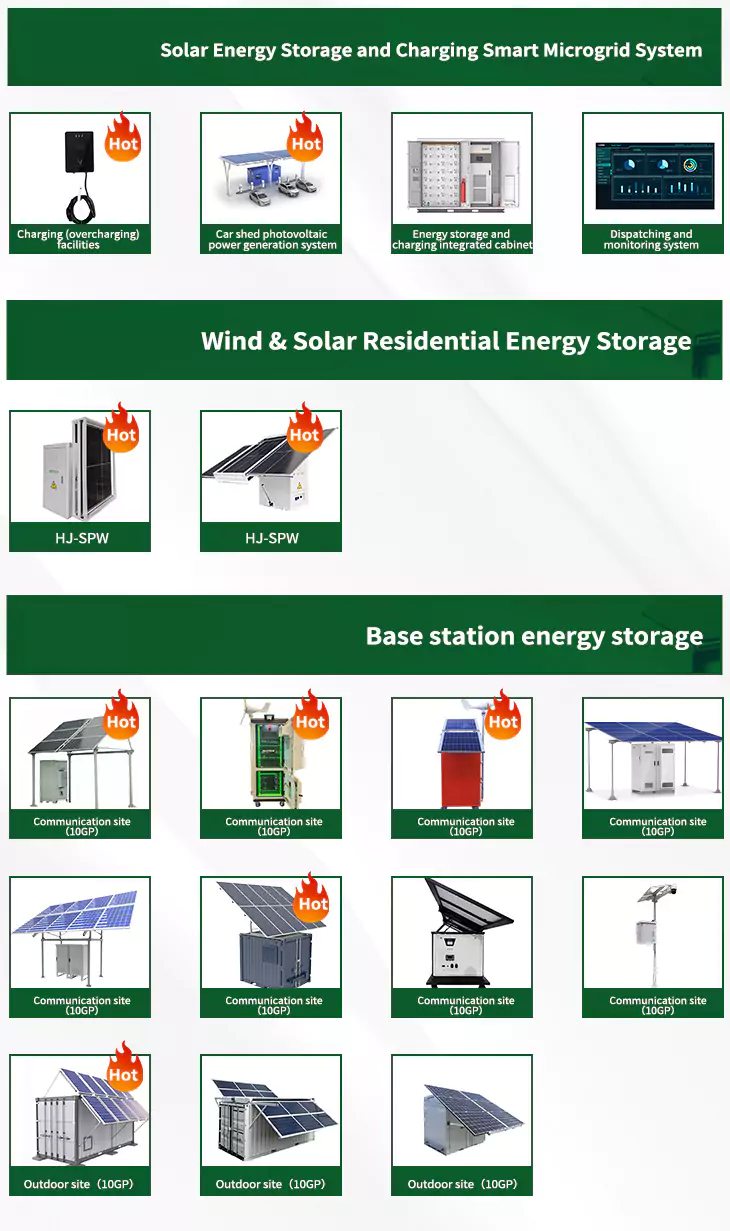
Energy storage facilities

This is a list of energy storage power plants worldwide, other than pumped hydro storage. Many individual energy storage plants augment electrical grids by capturing excess electrical energy during periods of low demand and storing it in other forms until needed on an electrical grid. The energy is later converted back.
Contact online >>

Energy Storage Systems: Types, Pros & Cons, and Applications

Energy storage systems (ESS) are vital for balancing supply and demand, enhancing energy security, and increasing power system efficiency. For example, pumped hydro facilities are typically designed for operational lives extending over several decades, with some units functioning effectively beyond 50 years without major overhauls.

Over 500 MWh standalone battery storage facility enters

The Madero and Ignacio facilities'' multi-hour continuous dispatch capability provides the longest duration of any energy storage assets operating in ERCOT, and as a combined site the project is the world''s largest (by MWh) fully-merchant and market-facing energy storage facility built to-date, the supplier said.

Energy Storage

Stay connected with our research, highlights, and accomplishments with the monthly PNNL Energy Storage Newsletter. Learn more here.. Whether it''s helping electric vehicles go farther on a charge or moving electricity in and out of the power grid, next-generation energy storage technologies will keep our world moving forward.

Energy Storage in Urban Areas: The Role of Energy Storage Facilities

Positive Energy Districts can be defined as connected urban areas, or energy-efficient and flexible buildings, which emit zero greenhouse gases and manage surpluses of renewable energy production. Energy storage is crucial for providing flexibility and supporting renewable energy integration into the energy system. It can balance centralized and

Compass Energy Storage Project

Compass Energy Storage LLC proposes to construct, own, and operate an approximately 250-megawatt (MW) battery energy storage system (BESS) in the City of San Juan Capistrano. The approximately 13-acre project site is located within the northern portion of the City of San Juan Capistrano, adjacent to Camino Capistrano and Interstate-5 to the east. The BESS would be

These 4 energy storage technologies are key to climate efforts

Europe and China are leading the installation of new pumped storage capacity – fuelled by the motion of water. Batteries are now being built at grid-scale in countries including the US, Australia and Germany. Thermal energy storage is predicted to triple in size by 2030. Mechanical energy storage harnesses motion or gravity to store electricity.

Seguro energy storage project

AES will be the long-term owner and operator of the facility; Project timeline. Project updates Past meetings and events . Public Scoping Meeting . San Diego County will conduct a public scoping meeting for the Seguro energy storage project. Workshop 1: Project Overview and Battery Energy Storage 101 Thursday, March 21, 2024, 6:00 PM-8:00 PM

Energy Storage

Energy storage is well positioned to help support this need, providing a reliable and flexible form of electricity supply that can underpin the energy transformation of the future. Storage is unique among electricity types in that it can act as a form of both supply and demand, drawing energy from the grid during off-peak hours when demand is

Battery Energy Storage Systems

In addition, many industrial land uses include substantial energy storage facilities. Many of these land uses are storing more energy than typical BESS installations. Existing zoning standards addressing the risks associated with energy storage include isolation of the land use in particular districts, use of setbacks and buffers, requiring

Energy Storage: Safety FAQs

Energy storage facilities are often unmanned and do not need light to function. Some may have lighting for security purposes, and this would be consistent with normal streetlighting. How long will grid batteries last? Grid battery life depends on usage and can last for 20 years or more. One of the earliest deployed grid-scale battery energy

U.S. Grid Energy Storage Factsheet

Electrical Energy Storage (EES) refers to systems that store electricity in a form that can be converted back into electrical energy when needed. 1 Batteries are one of the most common forms of electrical energy storage. The first battery—called Volta''s cell—was developed in 1800. 2 The first U.S. large-scale energy storage facility was the Rocky River Pumped Storage plant in

Energy Storage Facilities | Energy Storage Research | NREL

Energy Storage Facilities. NREL''s energy storage research is supported by world-class facilities. Learn more about our primary facilities for energy storage R&D: Energy Systems Integration Facility. Concentrating solar power facilities. Flatirons Campus. Thermal Test Facility.

Energy Storage Safety

Energy storage facilities are monitored 24/7 by trained personnel prepared to maintain safety and respond to emergency events. Facilities use multiple strategies to maintain safety, including using established safety equipment and techniques to ensure that operation of the battery systems are conducted safely.

The Top 5: Largest Battery Energy Storage Systems Worldwide

The 400MW/1,600MWh Moss Landing Energy Storage Facility is the world''s biggest battery energy storage system (BESS) project so far. The massive energy facility was built at the retired Moss Landing Power Plant site in California, US. Vistra Energy developed the project in two phases. The 300MW/1,200MWh phase 1 of the Moss Landing battery

Energy Department Pioneers New Energy Storage Initiatives

A key component of that is the development, deployment, and utilization of bi-directional electric energy storage. To that end, OE today announced several exciting developments including new funding opportunities for energy storage innovations and the upcoming dedication of a game-changing new energy storage research and testing facility.

Claims vs. Facts: Energy Storage Safety | ACP

Battery energy storage facilities are very different from consumer electronics, with secure, highly regulated electric infrastructure that use robust codes and standards to guide and maintain safety. E-mobility devices have been lightly regulated in the past, and some products have used poor-quality battery cells and ineffective safety systems.

Energy storage

Global investment in battery energy storage exceeded USD 20 billion in 2022, predominantly in grid-scale deployment, which represented more than 65% of total spending in 2022. After solid growth in 2022, battery energy storage investment is expected to hit another record high and exceed USD 35 billion in 2023, based on the existing pipeline of

DOE Launches Design & Construction of $75 Million Grid Energy Storage

– The U.S. Department of Energy (DOE) today announced the beginning of design and construction of the Grid Storage Launchpad (GSL), a $75 million facility located at Pacific Northwest National Laboratory (PNNL) in Richland, Washington that will boost clean energy adaptation and accelerate the development and deployment of long-duration, low

Report Provides Overview of Planning, Zoning Issues for Battery Storage

The aim of the report, Energy Storage in Local Zoning Ordinances, is to inform land use decisions for energy storage projects by equipping planning officials with information about these technologies and knowledge of what questions to ask during review processes, so that energy storage projects can move forward in ways that will benefit

Fact Sheet | Energy Storage (2019) | White Papers

The battery storage facilities, built by Tesla, AES Energy Storage and Greensmith Energy, provide 70 MW of power, enough to power 20,000 houses for four hours. Hornsdale Power Reserve in Southern Australia is the world''s largest lithium-ion battery and is used to stabilize the electrical grid with energy it receives from a nearby wind farm.

About Energy storage facilities

About Energy storage facilities

This is a list of energy storage power plants worldwide, other than pumped hydro storage. Many individual energy storage plants augment electrical grids by capturing excess electrical energy during periods of low demand and storing it in other forms until needed on an electrical grid. The energy is later converted back.

• • • •.

• • • •.

The following list includes a variety of types of energy storage: • Fossil fuel storage• Mechanical• Electrical, electromagnetic• Biological

As the photovoltaic (PV) industry continues to evolve, advancements in Energy storage facilities have become critical to optimizing the utilization of renewable energy sources. From innovative battery technologies to intelligent energy management systems, these solutions are transforming the way we store and distribute solar-generated electricity.

When you're looking for the latest and most efficient Energy storage facilities for your PV project, our website offers a comprehensive selection of cutting-edge products designed to meet your specific requirements. Whether you're a renewable energy developer, utility company, or commercial enterprise looking to reduce your carbon footprint, we have the solutions to help you harness the full potential of solar energy.

By interacting with our online customer service, you'll gain a deep understanding of the various Energy storage facilities featured in our extensive catalog, such as high-efficiency storage batteries and intelligent energy management systems, and how they work together to provide a stable and reliable power supply for your PV projects.

6 FAQs about [Energy storage facilities]

What is energy storage?

Energy storage involves converting energy from forms that are difficult to store to more conveniently or economically storable forms. Some technologies provide short-term energy storage, while others can endure for much longer. Bulk energy storage is currently dominated by hydroelectric dams, both conventional as well as pumped.

How effective is energy storage?

The effectiveness of an energy storage facility is determined by how quickly it can react to changes in demand, the rate of energy lost in the storage process, its overall energy storage capacity, and how quickly it can be recharged. Energy storage is not new.

What type of energy storage is used in the world?

Most of the world's grid energy storage by capacity is in the form of pumped-storage hydroelectricity, which is covered in List of pumped-storage hydroelectric power stations. This article list plants using all other forms of energy storage.

Where will energy storage be deployed?

energy storage technologies. Modeling for this study suggests that energy storage will be deployed predomi-nantly at the transmission level, with important additional applications within rban distribu-tion networks. Overall economic growth and, notably, the rapid adoption of air conditioning will be the chief drivers

What are the different types of energy storage?

Energy comes in multiple forms including radiation, chemical, gravitational potential, electrical potential, electricity, elevated temperature, latent heat and kinetic. Energy storage involves converting energy from forms that are difficult to store to more conveniently or economically storable forms.

What is the future of energy storage?

Storage enables electricity systems to remain in balance despite variations in wind and solar availability, allowing for cost-effective deep decarbonization while maintaining reliability. The Future of Energy Storage report is an essential analysis of this key component in decarbonizing our energy infrastructure and combating climate change.

Related Contents

Contact Integrated Localized Bess Provider

Enter your inquiry details, We will reply you in 24 hours.